

EPA Defends 10-Year Lead Pipe Replacement Mandate, Affirms Utility Authority and Feasibility to Replace All Lead Pipes
The EPA's Lead and Copper Rule Improvements (LCRI) affects over 66,000 water systems in the United States.
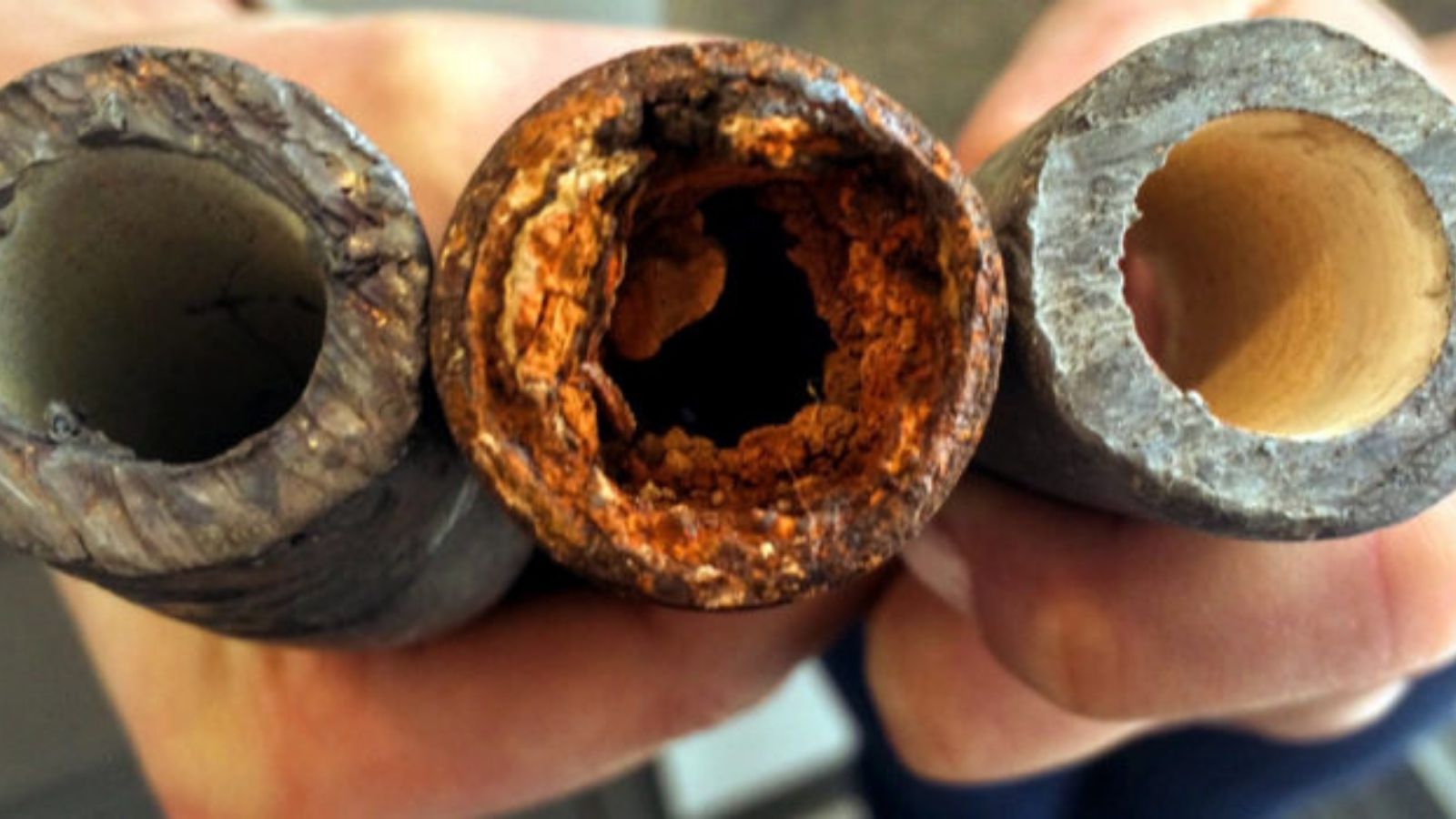
EPA court filing reinforces full lead pipe replacement authority and 10-Year feasibility.
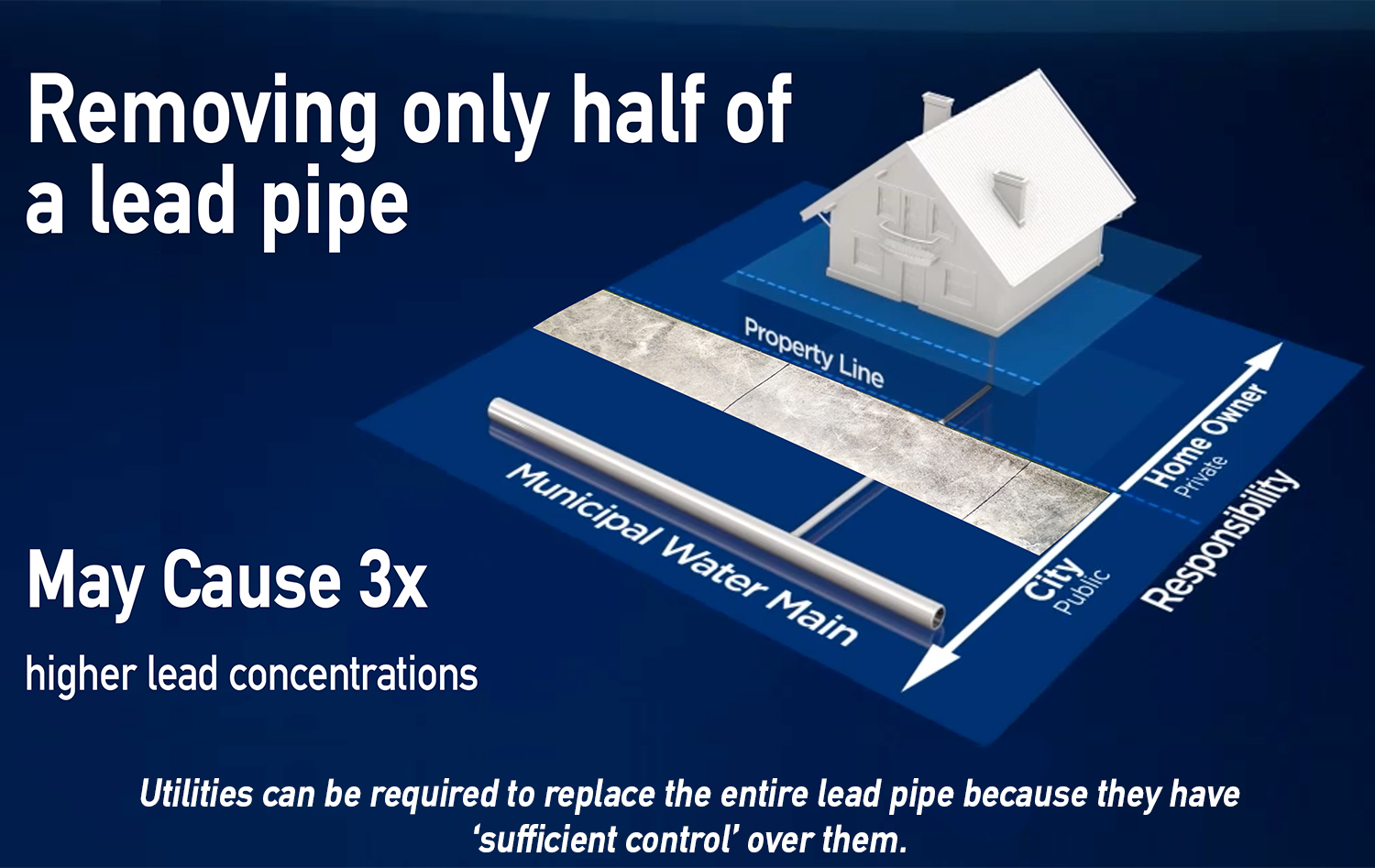
The EPA stated that utilities can be required to replace the entire lead pipe because they have sufficient control over them.
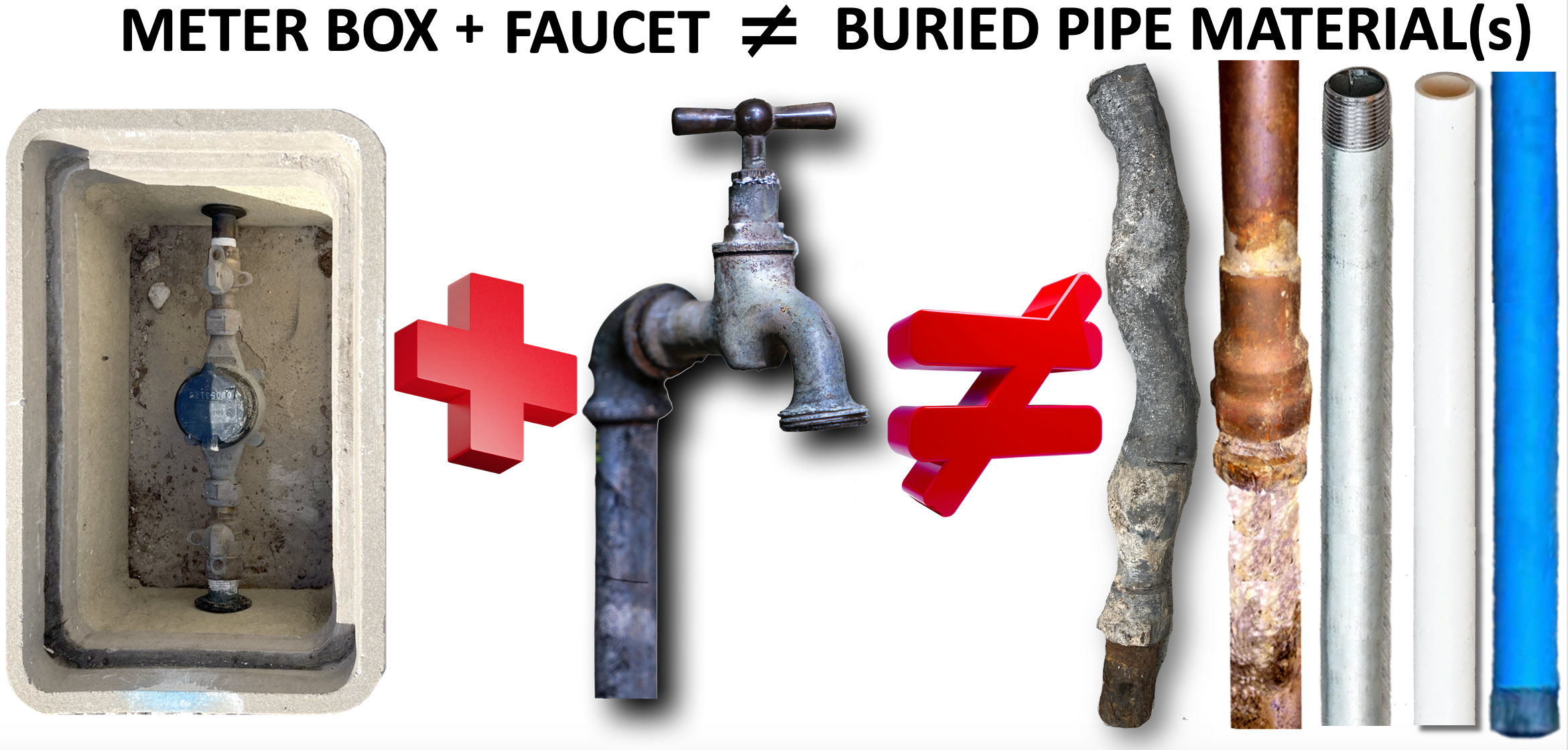
Earlier, selected cities and state EPAs allowed water utilities to conduct a 'two-point' visual inspection that has now been found to inaccurately predict the pipe connecting water main-to-meter and meter-to-house.
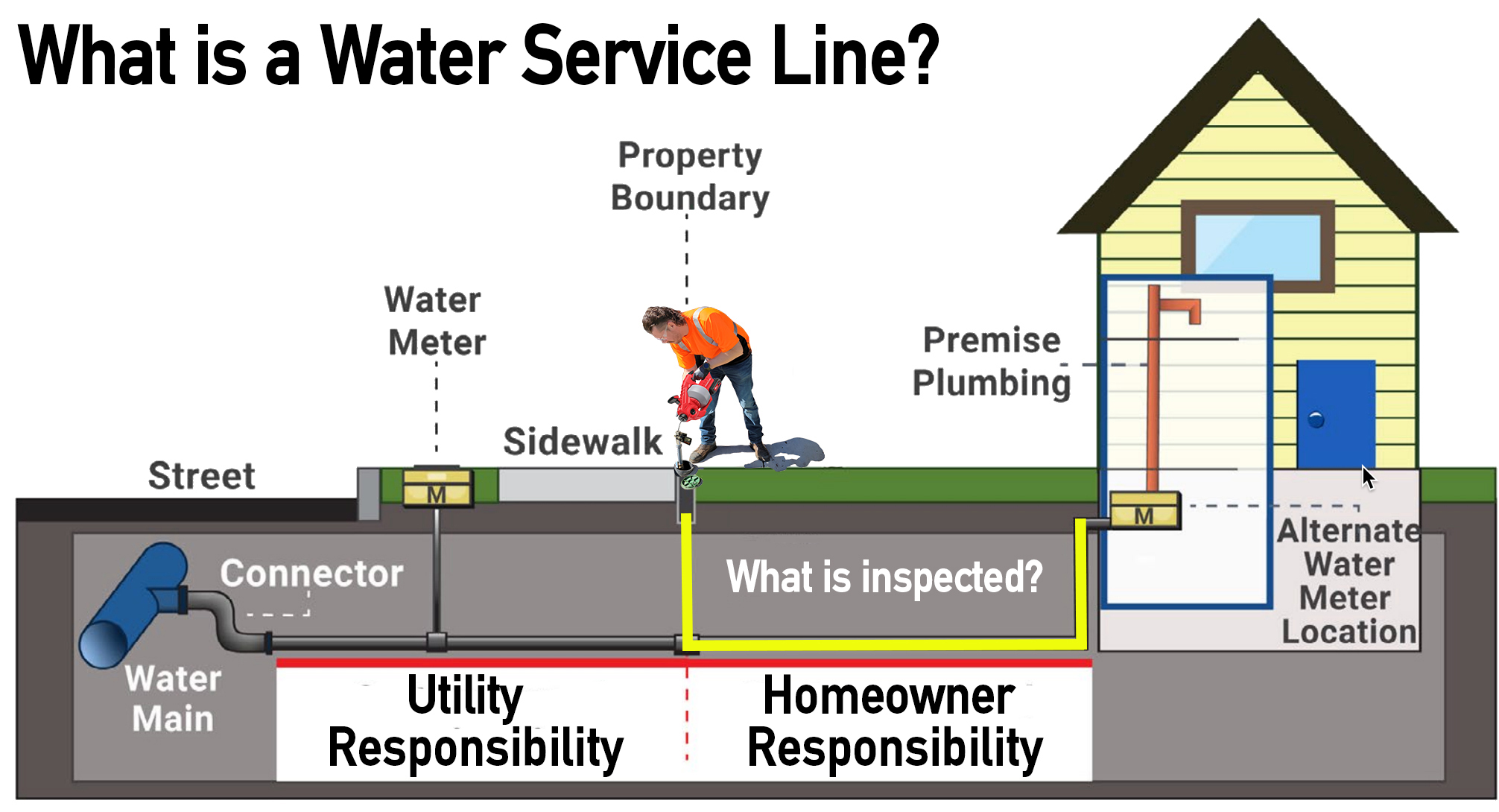
Prior to SWORDFISH, realtors, mortgage bankers, and homebuyers were unable to assess or identify water service line pipe materials.
Court filing says chemical-treatment failed to prevent widespread lead exposure and confirms utilities have sufficient control to replace homeowner lead lines.
SACRAMENTO, CA, UNITED STATES, February 23, 2026 /EINPresswire.com/ -- The U.S. Environmental Protection Agency (EPA) has formally notified a federal appeals court that it will defend the 10-year nationwide lead service line replacement requirement under the Lead and Copper Rule Improvements (LCRI), reinforcing both the agency’s legal authority and the technical feasibility of full pipe replacement.Electro Scan Inc. is a major supplier of commercially-available non-destructive machine-intelligent field equipment that detects multiple pipe materials in buried drinking water pipes, without digging.
In its February 20, 2026 court filing, the EPA stated that water utilities can be required to replace the entire lead service line — including portions located on private property — because utilities exercise sufficient control over those lines to meet Safe Drinking Water Act obligations.
The agency further concluded that earlier regulatory approaches, which relied primarily on corrosion control treatment and monitoring, “failed to prevent system-wide lead contamination and widespread adverse health effects.”
According to the filing, those prior frameworks did not adequately protect public health when applied across aging infrastructure systems.
"What this filing shows is that the only safe way to mitigate the public health concerns of lead and lead pipes is simply to remove them once and for all," stated Mike App, Executive Vice President, Electro Scan Inc, and project manager for the company's 10,000 home inspection work at the City of Baltimore, Maryland.
"The use of corrosion and chemical additives, such as orthophosphates, to mitigate existing lead pipes has fallen short and those deficiencies have potentially hurt and permanently injured our children. Requiring removal of all lead pipes and enforcing a 10-year deadline is the only way this public health concern will be mitigated, once and for all," continued App.
Replacement — Not Just Treatment
The LCRI represents the most significant overhaul of lead-in-drinking-water standards in more than three decades.
While earlier regulations emphasized chemical treatment and sampling protocols to manage corrosion, the EPA now asserts that replacement of lead service lines is the only reliable way to meet the Safe Drinking Water Act’s requirement to prevent anticipated adverse health effects “to the extent feasible.”
In its submission, the EPA stated that after reviewing data from dozens of water utilities across the country, it determined that the vast majority of utilities can replace their lead pipes within 10 years or less.
The agency’s feasibility analysis supports the national replacement timeline despite claims from industry groups that labor shortages or infrastructure constraints would make compliance impractical.
Utilities are provided a three-year preparatory period before the 10-year clock begins, and limited extensions may apply in communities with exceptionally high numbers of lead service lines.
Legal Authority Over Entire Service Lines
A key issue in the litigation centers on whether EPA has authority to require replacement of the full lead service line, including segments located on private property. The agency argued that utilities maintain sufficient operational control and responsibility over service lines to require complete removal when necessary to protect public health.
This position is significant because partial replacements have historically been associated with short-term spikes in lead release and do not permanently eliminate exposure risks.
Also, many utilities that previously removed 'known' lead service lines, did not inspect or replace property owner's pipe that were downstream of the utility's lead pipes.
While many cities and state EPAs allowed utilities to conduct a "two-point" visual inspection and/or predictive modeling to make general assignments of pipe materials, recent testing has shown both methods to be problematic or unreliable.
Public Health Imperative
Lead remains a potent neurotoxin. Exposure in children is associated with developmental harm, reduced IQ, and lifelong health consequences. In adults, elevated lead exposure increases risks of cardiovascular disease and other adverse outcomes.
The LCRI also lowers the lead action level trigger from 15 to 10 parts per billion (ppb) and strengthens notification and remediation requirements when elevated levels are detected.
Recent findings that copper and plastic pipes can retain lead particles the same way that galvanized pipe can absorb lead through corrosion. Released into drinking water from changes in chemicals, pressure, earth movement, excavations, potholing, water main shut-offs, or valve exercising activities.
As a result, tools like Electro Scan's SWORDFISH that employs a two-step process of testing pipe materials followed by swab-testing its probe, can confirm whether measurable amounts of lead remain in non-leaded pipes.
Infrastructure Modernization and Data Transparency
The EPA’s updated national estimate now projects approximately 4 million remaining lead service lines nationwide, down from earlier projections. The agency attributed the revised estimate to updated methodology and state-reported inventory data.
However, given the nearly 100 million service connections supporting 335 million Americans, and millions of "UNKNOWN" pipe materials, the EPA's estimate may be understated.
In January 2026, Electro Scan began a pilot Homebuyer's Protection Program with a leading real estate brokerage firm.
The program recognizes how sewer laterals have become a standard inspection during real estate closing and that drinking water service lines are following the same footprint.
The litigation continues in the U.S. Court of Appeals for the D.C. Circuit.
⸻
About Electro Scan Inc.
Electro Scan Inc. develops and manufactures advanced inspection and diagnostic technologies for the water and wastewater industry. Its SWORDFISH® platform utilizes proprietary electrical resistance testing technology to classify buried water service line materials and, when paired with surface swab testing, provides a comprehensive risk profile for potential lead exposure. Electro Scan’s technologies support utilities, regulators, home inspectors, and real estate professionals in building defensible, data-driven service line inventories and replacement strategies aligned with evolving federal requirements.
Electro Scan Inc. is a Vendor Member of the International Association of Certified Home Inspectors (InterNACHI). The company actively collaborates with home inspection and real estate professionals as parcel-level infrastructure transparency becomes increasingly relevant in residential transactions.
Chuck Hansen, Chairman and CEO of Electro Scan Inc., is a member of the Sacramento Association of REALTORS® and the National Association of REALTORS®.
⸻
Hashtags
#RealEstats
#HomeInspection
#LeadServiceLine
#LeadPipe
#WaterInfrastructure
#PublicHealth
#PropertyDisclosure
#InfrastructureTransparency
#DrinkingWater
#LCRI
Janine Mullinix
Electro Scan Inc.
+1 916-779-0660
email us here
Visit us on social media:
LinkedIn
Instagram
Facebook
YouTube
X
Legal Disclaimer:
EIN Presswire provides this news content "as is" without warranty of any kind. We do not accept any responsibility or liability for the accuracy, content, images, videos, licenses, completeness, legality, or reliability of the information contained in this article. If you have any complaints or copyright issues related to this article, kindly contact the author above.
